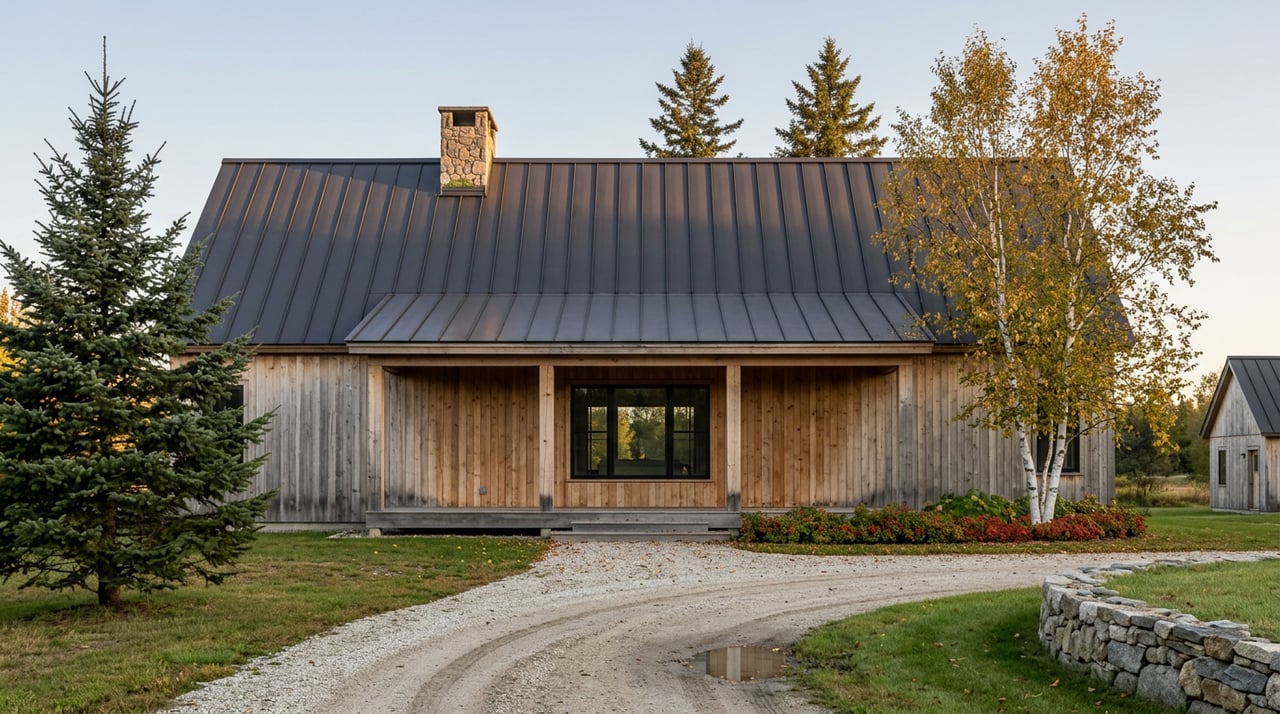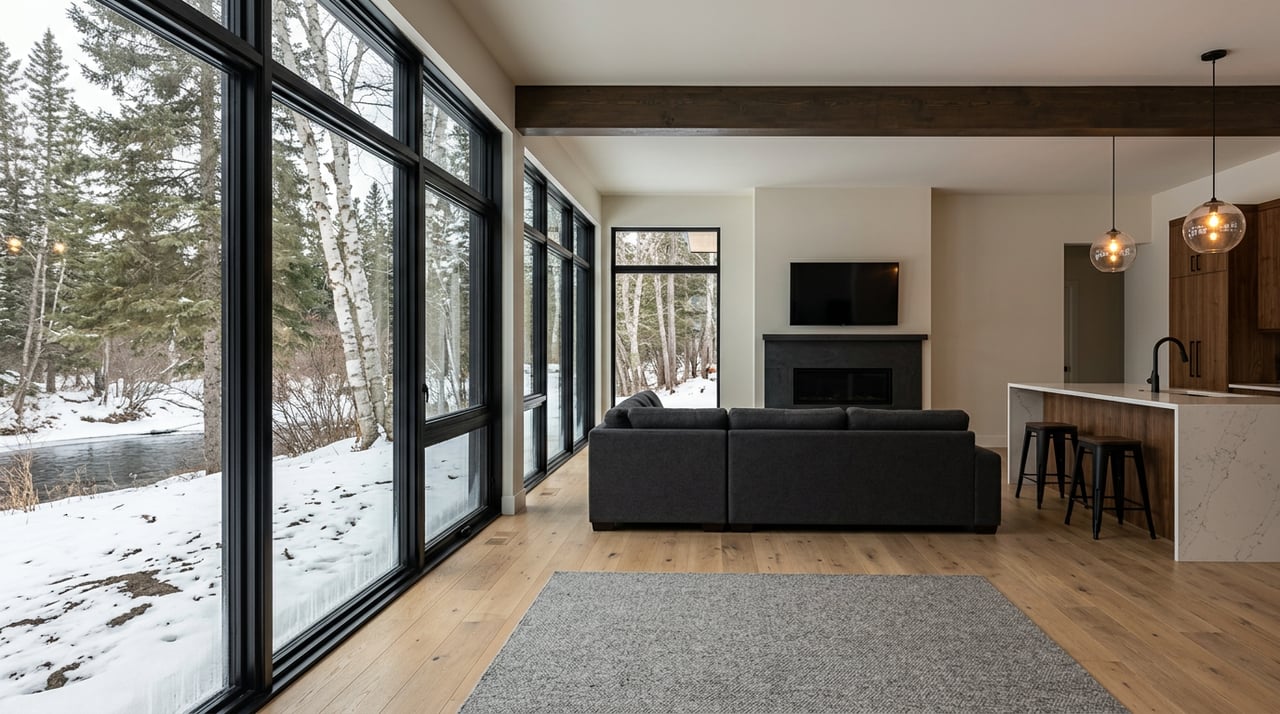
Picture your morning coffee with the Chena River drifting by, summer kayaks at the bank, and winter aurora overhead. That is the draw of riverfront living near North Pole. It also comes with real tradeoffs, like floodplain rules, permafrost, and septic system checks. In this guide, you will learn what “riverfront” means here, the lifestyle you can expect, and the smart steps to take before you buy. Let’s dive in.
What “riverfront” means here
Around North Pole, the Chena River and its connected lakes and sloughs define the riverfront market. The U.S. Army Corps of Engineers built and operates the Chena River Lakes Flood Control Project, including Moose Creek Dam, to reduce flood risk for Fairbanks, North Pole, and Fort Wainwright. The dam can be operated during high flow or ice jam events to manage water and protect downstream communities. You can read how the Corps manages ice jams and dam operations in this overview of Moose Creek Dam operations during ice jam events from the USACE.
Public recreation is a big part of the setting. The nearby Chena River State Recreation Area offers boating, fishing, trails, and winter access, which shapes daily life for many riverfront owners. Chena Lake and surrounding waters also support trout, seasonal salmon, and frequent wildlife activity. The Alaska Department of Fish and Game describes the viewing and fishing opportunities at Chena Lake in more detail.
- Explore recreation options in the Chena River State Recreation Area to see how close-to-home trails and water access can fit your routine.
- Expect a mix of full-time residences and recreational properties along the river and its sloughs.
Lifestyle perks you will love
Riverfront living near North Pole is about access and space. In summer, you can launch a kayak or small boat, fish in local sloughs, and watch wildlife along quiet banks. In winter, the frozen river becomes part of the landscape you enjoy on foot, skis, or snowmachine where allowed. Evenings bring calm water views, and in clear seasons you may have convenient aurora viewing right from your yard.
- Summer: boating, paddling, bank fishing, and trails close by.
- Winter: snowmachine routes in the area, ice fishing options, and peaceful snowy views.
- Year-round: larger lots, a sense of privacy, and a strong connection to the outdoors.
For a quick snapshot of local species and seasonal activity, review the Chena Lake wildlife and fisheries overview from the Alaska Department of Fish and Game.
Seasons, ice, and breakup
Interior Alaska has large temperature swings with very cold winters and short warm summers. Local NOAA station data for North Pole highlights the low precipitation and typical summer highs in the 60s to 70s Fahrenheit. Those rhythms guide how you use the river and how homes are designed.
The river typically freezes for many months, so boating is seasonal. Spring breakup is a key window to watch. Ice movement can be dynamic and occasionally raises flood risk due to ice jams. The Alaska-Pacific River Forecast Center monitors breakup conditions and provides aerial reconnaissance updates each spring. Timing varies each year, but late April through May is often the period of most change. If you are scheduling inspections or site visits, plan for limited river access during freeze-up and breakup.
- Check current breakup updates from the NWS Alaska-Pacific River Forecast Center during spring.
- Expect shoulder-season access to feel different from summer and mid-winter.
Common home and lot features
Most riverfront or near-river homes here are built with cold-climate details. You will often see high-R insulation, efficient heating systems with a backup heat source, and triple-pane windows. Water service and plumbing are protected with enclosed or insulated well houses, buried lines, and heat tape on vulnerable runs.
Foundations are a focus in Interior Alaska. Depending on soils and site risk, you may find elevated structures, adjustable supports, pilings, or other engineered cold-climate solutions. The Cold Climate Housing Research Center outlines important considerations when building on or near permafrost, which buyers should keep in mind for inspections and long-term maintenance.
Utilities vary by parcel. Parts of North Pole and Fairbanks have municipal service, but many riverfront lots rely on private wells and onsite wastewater systems. The Alaska Department of Environmental Conservation provides guidance on engineered onsite wastewater systems and homeowner responsibilities. Ask for well logs, water test results, septic permits, and maintenance records during your review.
Risks, rules, and due diligence
Floodplain status is essential. The Fairbanks North Star Borough enforces a floodplain ordinance that applies to mapped Special Flood Hazard Areas. New development in those areas often requires a floodplain permit with elevation or mitigation measures, and lenders may require flood insurance. Start with the Borough’s floodplain management guidance and ask for any elevation certificate, Letter of Map Amendment, or documented flood history from the seller.
Flood maps evolve. FEMA and the State of Alaska have updated Risk MAP products in recent years for the Fairbanks North Star Borough. Before you buy, confirm the current map panel and any updates that could affect insurance or construction requirements. The state’s Fairbanks North Star Borough Risk MAP page is the best place to start that review.
Moose Creek Dam adds protection, but it does not remove risk entirely. USACE can operate the structure to limit flood impacts during certain events, including ice jams. Understanding how the project works helps you weigh location choices and insurance needs.
Permafrost and soil conditions shape costs. Interior sites can contain ice-rich layers that affect foundations, septic fields, and buried utilities. A local engineer can help you evaluate a property and recommend solutions. For a clear primer, see CCHRC’s guidance on building on permafrost.
Wastewater and wells deserve a close look. In many river-adjacent neighborhoods, you will encounter private wells and onsite septic. Alaska DEC outlines when engineered systems need plan review and what records to gather. Documentation reduces surprises and supports a smoother closing.
What riverfront costs and how to judge value
Inventory near North Pole is limited and tends to arrive in waves. You might see small wooded parcels, mid-sized lots with gravel pads, or a custom log or timber home with long frontage. Prices can range widely based on frontage length, road access, soils, utilities, and improvements.
There is usually a waterfront premium for views and access, but the size of that premium depends on both amenity quality and site risks like flood exposure and maintenance needs. A peer-reviewed overview of waterfront premiums explains how location, waterbody type, and risk can shift value. In Interior Alaska, foundation strategy, floodplain status, and septic or well engineering often play a large role in pricing and negotiation.
Two practical tips:
- Compare like with like. Adjust for frontage length, access quality, and whether the lot is already improved with utilities or pads.
- Budget time for inspections and professional opinions. Buyers from out of state often plan a longer due diligence window to secure soil and foundation evaluations.
Buyer checklist for North Pole riverfront
Use this quick list to focus your due diligence. Ask for documents early and keep your lender looped in.
- Flood and elevation
- Confirm the current FEMA flood zone and any Borough permit requirements using the Fairbanks North Star Borough floodplain management page.
- Request any Elevation Certificate, LOMA, and seller disclosures about past flooding or ice-jam impacts.
- Maps and updates
- Check recent FEMA Risk MAP updates for the Fairbanks North Star Borough to see if panel changes affect insurance or build rules.
- Site and soils
- If there is any sign of permafrost or ground movement, order soil borings or a geotechnical review. Start with CCHRC’s building on permafrost guidance and hire a local engineer.
- Foundations and structures
- Verify the foundation type and whether cold-climate measures are in place, such as frost protection, pilings, or adjustable supports.
- Utilities and wastewater
- Determine if the property is on municipal service or private well and septic. Gather well logs, water tests, septic permits, pump records, and any Alaska DEC plan approvals for engineered systems.
- Access and seasonality
- Ask who maintains the access road in winter, where you can park during heavy snow, and whether river access needs a ramp or has seasonal limits.
- Insurance and lending
- Get a flood insurance quote early. Lenders may require flood insurance if the structure lies in a Special Flood Hazard Area.
- Seasonal timing
- If you are visiting in spring, monitor NWS breakup updates and plan for changing conditions near thaw.
How to move forward with confidence
Buying riverfront near North Pole can be a great fit if you value water access, quiet views, and four-season recreation. Set clear priorities, then shape your offer around proven due diligence. The right inspector, an engineer who knows Interior soils, and early conversations with the Borough and DEC can save you time and money.
If you are ready to explore riverfront options or want a second opinion on a property you found, reach out to the Leaders Real Estate Team. Our local, veteran-led team can help you balance the lifestyle you want with the tradeoffs that matter, and connect you with trusted pros for inspections and engineering.
Ready to sell a river property and want a pricing strategy that reflects frontage, access, and site specifics? Get a Free Home Valuation through the Leaders Real Estate Team to start the process.
FAQs
What should I know about flood insurance for North Pole riverfront homes?
- Lenders may require flood insurance if a structure is in a mapped Special Flood Hazard Area; verify status with the Borough’s floodplain management resources and get a quote early.
When does the Chena River usually break up and how can it affect access?
- Breakup timing varies year to year but often falls in late April through May; expect dynamic ice conditions that can limit boating and change river levels, and check NWS breakup updates.
Which inspections are most important for riverfront property in Interior Alaska?
- Prioritize a cold-climate home inspection, a geotechnical or foundation review if permafrost is possible, and a septic and well evaluation with Alaska DEC records.
Are private wells and septic systems common near the river around North Pole?
- Yes, many parcels rely on private well and onsite wastewater systems; collect well logs, water tests, septic permits, maintenance records, and any engineered system approvals.
How do Moose Creek Dam operations influence local flood risk?
- USACE operates Moose Creek Dam during certain high water or ice jam events to reduce flood impacts, which lowers but does not eliminate flood risk.
Do riverfront homes near North Pole cost more than similar non-waterfront homes?
- Often yes, due to views and water access, but the premium depends on frontage quality, access, soils, and risk factors like flood exposure and maintenance needs.