Winter in Fairbanks is not just cold. It is a long season that tests your roof, heating system, pipes, and monthly budget. If you own a home here, a smart winterization plan can help you prevent damage, manage energy costs, and avoid stressful mid-winter surprises. Let’s dive in.
Why winter prep matters in Fairbanks
Fairbanks owners deal with winter conditions that are much tougher than a generic home maintenance checklist assumes. According to NOAA climate normals for Fairbanks International Airport, the area has a January mean daily temperature of -8.3°F, annual snowfall of 64.6 inches, and 13,420 heating degree days.
That kind of cold affects nearly every part of your home. It can increase the chance of frozen pipes, drive up heating demand, and make small roof or vent issues much more serious if they are ignored.
Fairbanks also has local roof-load considerations that make exterior maintenance especially important. The City of Fairbanks building design information lists minimum design parameters of 50 pounds per square foot for roof snow load and 60 pounds per square foot for ground snow load.
Start with whole-house weatherization
One of the smartest ways to prepare your home is to think beyond one repair at a time. The U.S. Department of Energy recommends treating winter prep as a whole-house weatherization project, starting with an energy audit and then addressing air sealing, insulation, moisture control, and ventilation together.
That approach matters because heat loss often moves from your living space into unheated areas like attics, garages, basements, and crawl-adjacent spaces. DOE notes that sealing air leaks around plumbing penetrations, chimneys, recessed lights, and cupboard or closet cavities is a practical first step.
If you are making a winter checklist, focus first on the areas where heated and unheated spaces meet. Even small leaks can make rooms feel drafty and force your heating system to work harder.
Key weatherization priorities
- Seal visible air leaks around plumbing and wiring penetrations
- Check attic, basement, garage, and utility-room areas for drafts
- Review insulation levels in vulnerable spaces
- Address moisture issues before they turn into winter condensation or ice problems
- Make sure ventilation systems are working properly
Service your heating system early
In Fairbanks, your heating system is not something to leave to chance. The DOE recommends annual professional service for furnaces and boilers, along with monthly filter changes as needed and annual inspection of vent connection pipes, chimneys, and heat exchangers.
If your system is overdue for service, try to schedule it before the coldest stretch of winter. Preventive maintenance can help you catch worn parts, venting issues, or efficiency problems before they become a no-heat emergency.
If your home uses oil or propane, cold-weather details matter even more. The University of Alaska Fairbanks Cooperative Extension advises draining fuel-oil filters, keeping above-ground tanks as full as practical to reduce condensation, and sheltering or insulating propane tanks and lines during extreme cold.
If you use wood heat
Wood heat also needs seasonal attention. The EPA recommends burning dry, seasoned wood and having a certified technician inspect and service the appliance, chimney, and vent every year.
If you have a fireplace, DOE also notes that keeping the damper closed when it is not in use can reduce heat loss. That is a simple habit that can make a noticeable difference over a long Interior Alaska winter.
Protect pipes before deep cold hits
Frozen pipes are one of the most expensive winter headaches for homeowners. The best time to deal with them is before temperatures plunge.
UAF recommends enclosing and insulating pipes in unheated spaces, opening cabinet doors so warm air can reach under-sink plumbing, and using heat tape only according to the manufacturer’s instructions. It also warns that improperly installed heat tape can cause fires and should be inspected annually.
Pipe insulation is also a low-cost upgrade with useful savings potential. According to DOE’s pipe insulation guidance, insulating hot-water pipes can save 3% to 4% annually, often costs about $10 to $15 for a small house, and should start with the first 3 feet of pipe from the water heater and the cold-water inlet.
Pipe freeze prevention checklist
- Insulate exposed pipes in unheated areas
- Open sink cabinet doors during extreme cold if plumbing runs along exterior walls
- Inspect heat tape every year and use it only as directed
- Learn where your main water shutoff valve is located
- Insulate the first sections of pipe at the water heater
If a pipe does freeze, UAF recommends using safe thawing methods such as warm air or a hair dryer. Do not use a flame torch, because it can start a house fire.
Watch roof snow and exterior trouble spots
In Fairbanks, roof conditions deserve special attention through winter, not just after a storm. Snow load, ice buildup, and small leaks can create bigger structural or moisture issues if warning signs are missed.
FEMA’s snow load guidance says overstressed roofs can show signs such as sagging ceilings or roof members, popping or cracking noises, doors or windows that stop opening or closing properly, wall cracks, and severe roof leaks. If you suspect a structural issue, bring in a professional.
For routine maintenance, FEMA also notes that minor mitigation can include keeping gutters and downspouts clear at the discharge point. And the EPA recommends repairing roof leaks before winter weather arrives, which is especially important in a place where freezing temperatures can turn a small water issue into a larger damage problem.
Roof and exterior items to monitor
- Interior ceiling stains or active leaks
- New cracking sounds or visible sagging
- Ice or snow buildup around problem roof areas
- Gutters and downspout discharge points
- Exterior vents blocked by drifting snow or ice
Check alarms and keep vents clear
Indoor safety is a major part of winter home maintenance. The EPA says smoke and carbon monoxide alarms should be tested monthly, batteries should be replaced yearly, and carbon monoxide alarms should be placed outside sleeping areas and on every level of the home.
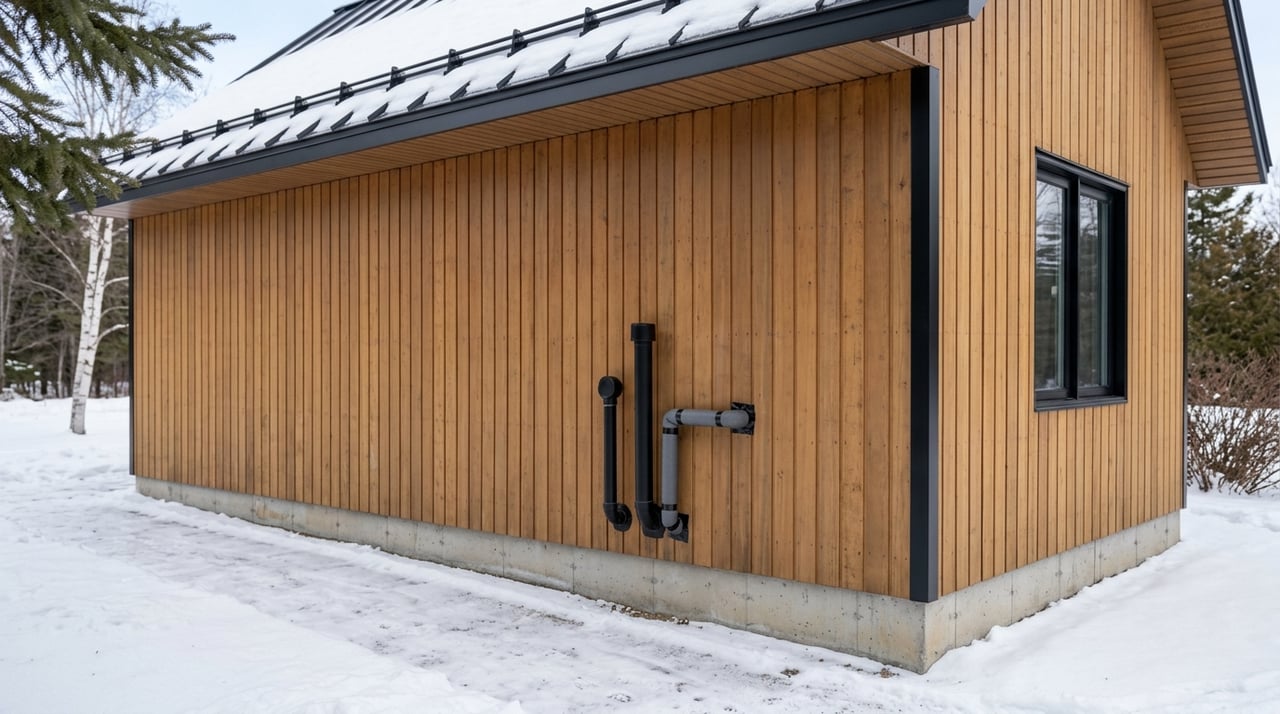
The same EPA guidance also says you should keep exterior furnace, stove, fireplace, radon, and dryer vents clear of snow and ice. That step is easy to overlook after a storm, but blocked vents can create serious safety issues.
A quick walk around your home after heavy snowfall can help you catch these problems early. In a Fairbanks winter, small blocked openings can become major hazards fast.
Lower winter utility costs where you can
Heating and electricity costs can add up quickly during an Interior Alaska winter. If you use electricity heavily, even a moderate month can be expensive. The GVEA bill calculator shows a $22.50 customer charge plus 27.5588 cents per kWh in listed charges, and at 1,000 kWh the calculator returns about $298.09.
That is why efficiency steps matter. DOE says turning the thermostat down when you are asleep or away can save as much as 10% a year on heating and cooling bills. It also recommends using daytime sun through south-facing windows and closing curtains at night to reduce heat loss.
These are not flashy upgrades, but they are realistic habits that can help control monthly costs. In a long winter, consistency often matters more than one big change.
Prepare differently if the home will be vacant
If you plan to leave your Fairbanks home unoccupied during deep cold, take extra precautions. UAF advises notifying utilities, turning off the main water supply, draining pipes and the water heater, and using nontoxic antifreeze in sink, tub, and toilet traps.
A vacant home can develop expensive issues quickly if temperatures drop and no one is there to catch a problem. If you travel for work, military orders, or an extended winter break, this step deserves extra attention.
A practical winter plan for Fairbanks owners
The best winter maintenance plan is the one you actually follow. Instead of trying to do everything at once, break your prep into a few categories: heating, weatherization, pipes, roof monitoring, and safety checks.
If you are buying a home in Fairbanks, winter readiness should also be part of how you evaluate the property. And if you are selling, tackling key maintenance items before listing can help your home present better and reduce the chance of avoidable inspection concerns.
If you are thinking about buying, selling, or planning your next move in Interior Alaska, the team at Leaders Real Estate Team can help you make practical decisions with local insight.
FAQs
What winter home maintenance matters most in Fairbanks?
- The biggest priorities are heating system service, pipe protection, roof and snow-load awareness, air sealing, and checking smoke and carbon monoxide alarms.
How cold does Fairbanks get in winter?
- According to NOAA’s 1991 to 2020 normals for Fairbanks International Airport, the January mean daily temperature is -8.3°F.
What are signs of too much roof snow load on a Fairbanks home?
- FEMA lists warning signs such as sagging ceilings or roof members, popping or cracking noises, wall cracks, severe roof leaks, and doors or windows that no longer open or close normally.
How can you help prevent pipes from freezing in a Fairbanks house?
- UAF recommends insulating pipes in unheated areas, opening cabinet doors so warm air can reach plumbing, inspecting heat tape yearly, and knowing where the main water shutoff valve is located.
What should you do if your Fairbanks home will be empty during winter?
- UAF advises notifying utilities, turning off the main water supply, draining pipes and the water heater, and using nontoxic antifreeze in sink, tub, and toilet traps.
Is there heating cost assistance for Fairbanks homeowners or renters?
- Yes. The State of Alaska Heating Assistance Program offers eligible homeowners and renters a one-time seasonal benefit from October 1 to April 30.