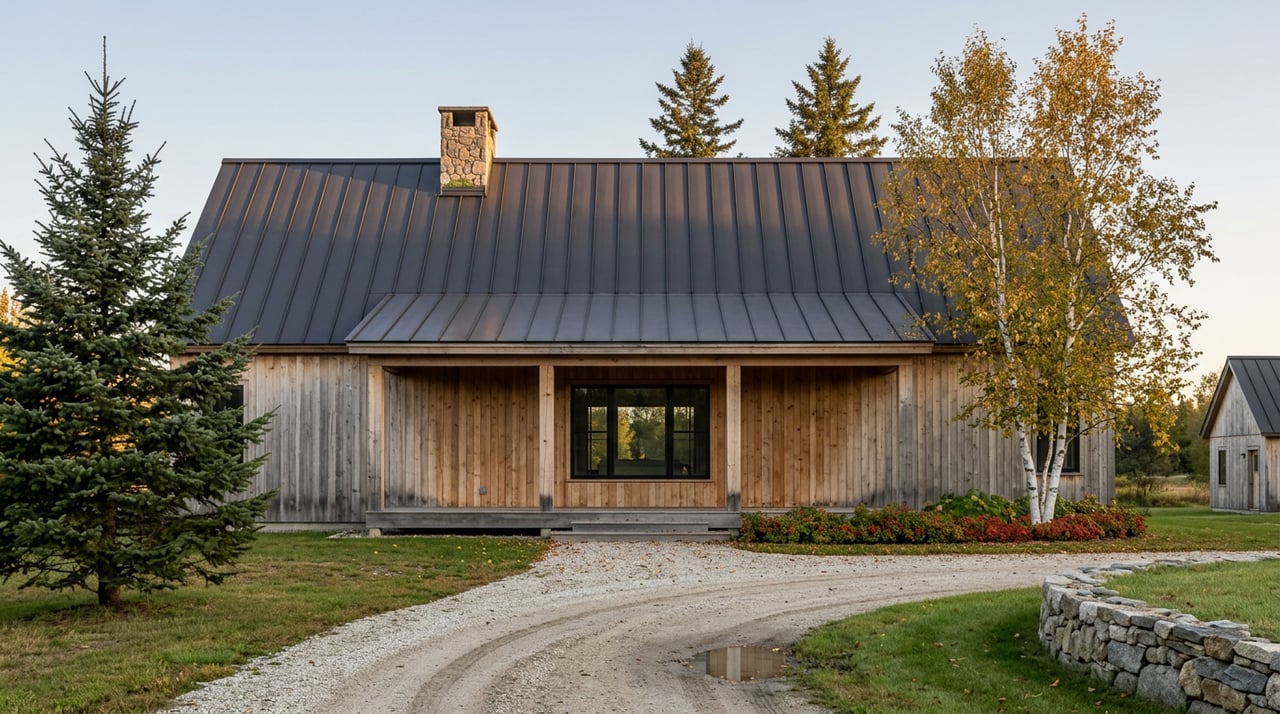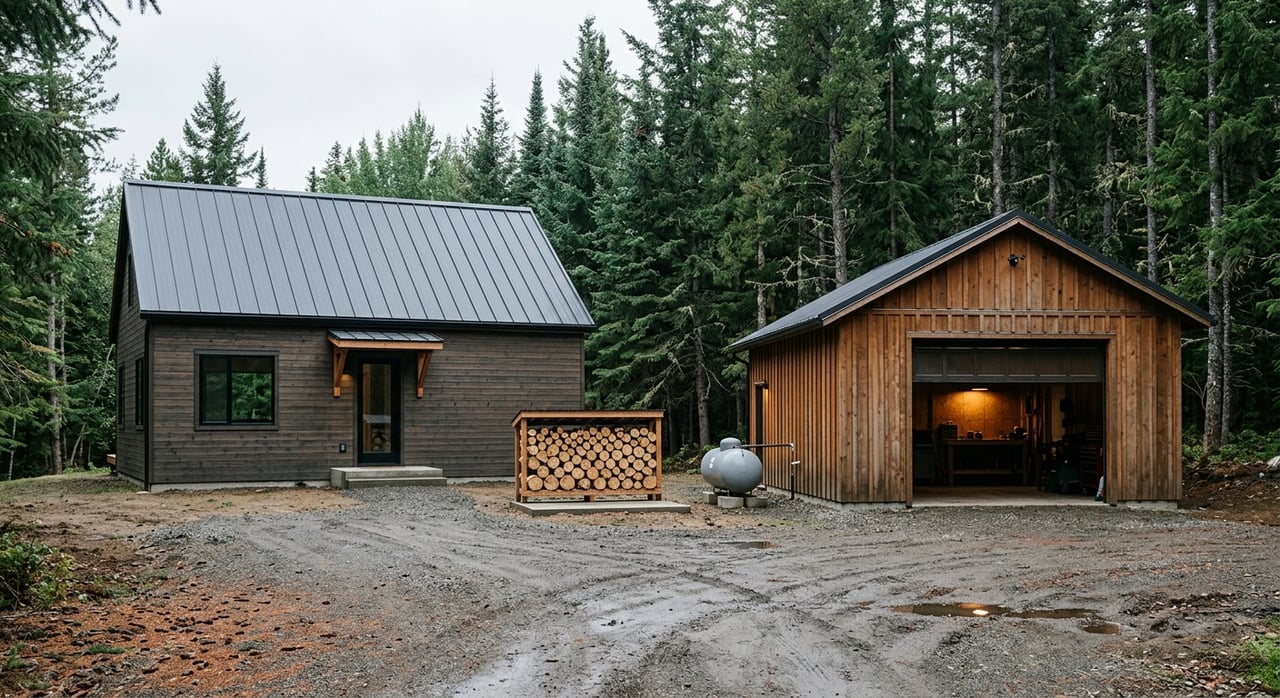
If you are thinking about buying acreage near Fairbanks, the biggest question is not always how many acres you get. It is whether the land will actually work for the way you plan to live on it. From access and zoning to septic, drainage, and financing, rural property can come with a very different checklist than a home in a typical subdivision. This guide will help you focus on the details that matter most so you can make a confident decision. Let’s dive in.
Why acreage takes extra homework
Buying rural property near Fairbanks can be rewarding, but it often requires more due diligence than buying a standard residential lot. In the Fairbanks North Star Borough, many rural zoning districts are designed for low-density residential or agricultural-style use in areas where public utilities may not be available. According to the Fairbanks North Star Borough existing conditions report, districts such as RA, RF, RE, RR, and RRS each have different intended uses.
That matters because a parcel may look ideal on paper but still raise questions about access, buildability, utility service, or lender acceptance. If you are relocating to Interior Alaska or buying your first country property, it helps to approach acreage with a clear process and realistic expectations.
Check zoning before you plan
Acreage near Fairbanks is not one-size-fits-all. The borough identifies rural districts differently, with RA districts intended for agricultural use and very low-density residential development, RF for small-scale agricultural use, RE for low-density residential development, RR for low-density residential use with variable utility availability, and RRS for very low-density development where public utilities are not accessible, according to the borough report on zoning and land use.
Before you assume you can build a home, add a large shop, or use the parcel in a certain way, verify the zoning district and permitted uses. The borough’s Planning and Zoning resources explain that the department handles rezones, variances, conditional uses, zoning permits, and code enforcement.
For many buyers, the helpful next step is to review what a residential site plan usually needs. The borough’s residential site-plan guide shows that plans often include property lines, setbacks, structures, road names, and driveways, and in some cases well and septic locations. That gives you a practical picture of how the parcel may actually function.
Access matters more than you think
One of the most important questions with acreage is simple: how do you get there? In Alaska, legal access can come from section-line easements, platted rights-of-way, trail easements, navigable water bodies, or access across unreserved state land. But the Alaska Department of Natural Resources also makes clear that legal access does not mean a road is improved, maintained, or even usable year-round.
That is a big distinction in the Fairbanks area. A parcel might be legally reachable and still be difficult in winter, muddy during breakup, or challenging for deliveries and emergency access. If you are buying acreage to build or live on full time, practical year-round access should be part of your decision from day one.
Ask who maintains the road
Road maintenance is often a local issue, not a given. The borough says its Rural Services division manages 103 road service areas, and those areas are separate taxing jurisdictions. The same borough material also explains that the borough does not have road maintenance and construction powers throughout the entire borough.
In plain terms, you want to know:
- Whether the road is publicly maintained, privately maintained, or not regularly maintained
- If the property is inside a road service area
- What winter access looks like
- Whether a plow truck, fuel delivery, or contractor can reliably reach the site
If the parcel fronts a state-managed road, you may also need a permit for a driveway or approach. The Alaska DOT&PF permit system includes driveway and approach-road permits, so it is smart to confirm that early.
Plan for private utilities
Many rural properties near Fairbanks do not have community sewer or water available. The borough’s land use materials note that these rural districts often exist specifically where public utilities are limited or unavailable. That usually means you need to evaluate septic and well issues carefully.
Septic is a buildability issue
If there is already a home on the property, the Alaska Department of Environmental Conservation advises buyers to start early and gather septic design and construction records, confirm they match the legal description and bedroom count, and review maintenance and pumping history. DEC also notes in its real estate septic guidance that working plumbing fixtures do not prove the system is functioning correctly.
If you are buying vacant land, soils matter just as much. DEC explains in its homeowner septic information that soil suitability must be evaluated for septic installation or upgrades, and a professional engineer may perform soil work or a percolation test if needed. For raw land, this can directly affect whether the site is realistically buildable.
It also helps to understand where septic components are located and protected. DEC says in its maintenance guidance not to build driveways, storage buildings, or other structures over a septic tank or drainfield.
Private wells need attention too
Private wells are usually an owner responsibility. DEC says there is no state requirement to routinely sample a private well, but owners should consider testing for arsenic, nitrate, and radon in water, according to its private well guidance.
That does not mean every well has a problem. It simply means you should treat well testing and water review as part of normal rural due diligence, especially if you are new to buying outside city utility areas.
Evaluate the ground itself
Near Fairbanks, the land under the surface can be just as important as what you see above it. Drainage, frost, permafrost, and flood exposure can all affect how usable and stable a parcel may be.
Permafrost and frost conditions
The University of Alaska Fairbanks Cooperative Extension says permafrost occurs in discontinuous patches in the Tanana Valley near Fairbanks. In its permafrost guidance, UAF notes that the only reliable way to know if a proposed site has permafrost is to drill a soil core sample, and disturbing permafrost can lead to uneven foundation settling.
The Cold Climate Housing Research Center also recommends watching for clues such as standing water, marshy ground, and north-facing slopes when evaluating a building site. These signs do not automatically rule out a property, but they do signal the need for closer review.
CCHRC adds that in Fairbanks, footing depth for many foundations is a minimum of 42 inches below grade, and good drainage around a structure helps reduce seasonal movement issues. Their foundation guidance highlights the value of sloping ground away from structures and moving roof runoff away from the foundation.
Drainage and flood exposure
Drainage matters for more than foundations. DEC notes that excess water from roofs and driveways can flood a drainfield and reduce septic performance, which is another reason to study grading and runoff before you buy.
Flood risk is a separate issue and should be checked early. The borough’s Floodplain Management page states that new construction or development in a special flood hazard area requires a floodplain permit. The same source notes that financing can be difficult, if not impossible, in some flood hazard situations because lenders may require flood insurance.
Understand how lenders view acreage
Financing a country property can be different from financing a standard neighborhood home. That does not mean it cannot be done. It means the property needs to fit residential lending guidelines.
The USDA Single-Family Housing Guaranteed Loan Program can be used for new or existing residential property used as a permanent residence, and USDA says there are no set acreage limits. It also advises buyers to check whether a specific address is in an eligible rural area.
For conventional lending, the parcel still needs to read as residential to the appraiser and lender. Fannie Mae says in its appraisal neighborhood guidance that lenders should consider zoning, present land use, and whether the property is typical residential for that market, even if it is larger than average.
At the same time, Fannie Mae also states in its selling guide supplement that it does not purchase or securitize loans secured by agricultural-type properties, undeveloped land, or land-development-type properties. That is one reason larger tracts, unusual layouts, or extensive outbuildings can bring extra underwriting review.
A practical acreage checklist
When you tour acreage near Fairbanks, keep this short checklist in mind:
- Confirm legal access and practical year-round access
- Ask who maintains the road and whether the parcel is in a service area
- Verify the zoning district, setbacks, and allowed uses
- Review site-plan needs for any future home, garage, shop, or shed
- Request septic design records, pumping history, and component locations
- Evaluate the well and consider water testing
- Look for drainage issues, standing water, or possible thaw-sensitive ground
- Check flood hazard status early
- Ask your lender how acreage and outbuildings will be treated in the appraisal
Why local guidance helps
Acreage purchases near Fairbanks ask you to think beyond square footage and price. You are also evaluating how the land works, what it allows, and what it may require over time. Having local guidance can help you ask better questions before you get too far down the road.
If you are comparing country properties, planning a relocation, or trying to decide whether a parcel fits your goals, the Leaders Real Estate Team can help you navigate the process with practical, local insight.
FAQs
What should you verify before buying acreage near Fairbanks?
- You should confirm zoning, legal and practical access, road maintenance, septic and well details, drainage, flood status, and how the property may be treated by your lender.
How does zoning affect acreage in the Fairbanks North Star Borough?
- Zoning affects permitted uses, setbacks, and what structures or improvements may need permits, so it is important to verify the district before assuming the parcel can be used like a standard residential lot.
Why is road access important for Fairbanks acreage?
- Legal access does not always mean the road is improved or maintained, so you should also evaluate winter usability, deliveries, emergency access, and who is responsible for maintenance.
Do rural properties near Fairbanks usually need private septic and wells?
- Many do, because rural zoning areas often lack community sewer and water systems, which makes septic records, soil suitability, and well evaluation important parts of due diligence.
Can buying acreage near Fairbanks affect mortgage financing?
- Yes, because lenders and appraisers often look closely at acreage, outbuildings, zoning, and whether the property is typical residential for the local market.