Buying your first home in North Pole can feel like a big leap, especially when prices, loan options, and local housing features all seem to pull your attention in different directions. If you are trying to figure out what counts as a realistic starter home here, you are not alone. The good news is that North Pole offers a mix of entry-level options, and the market pace may give you time to compare homes carefully before making a move. Let’s dive in.
What starter homes look like in North Pole
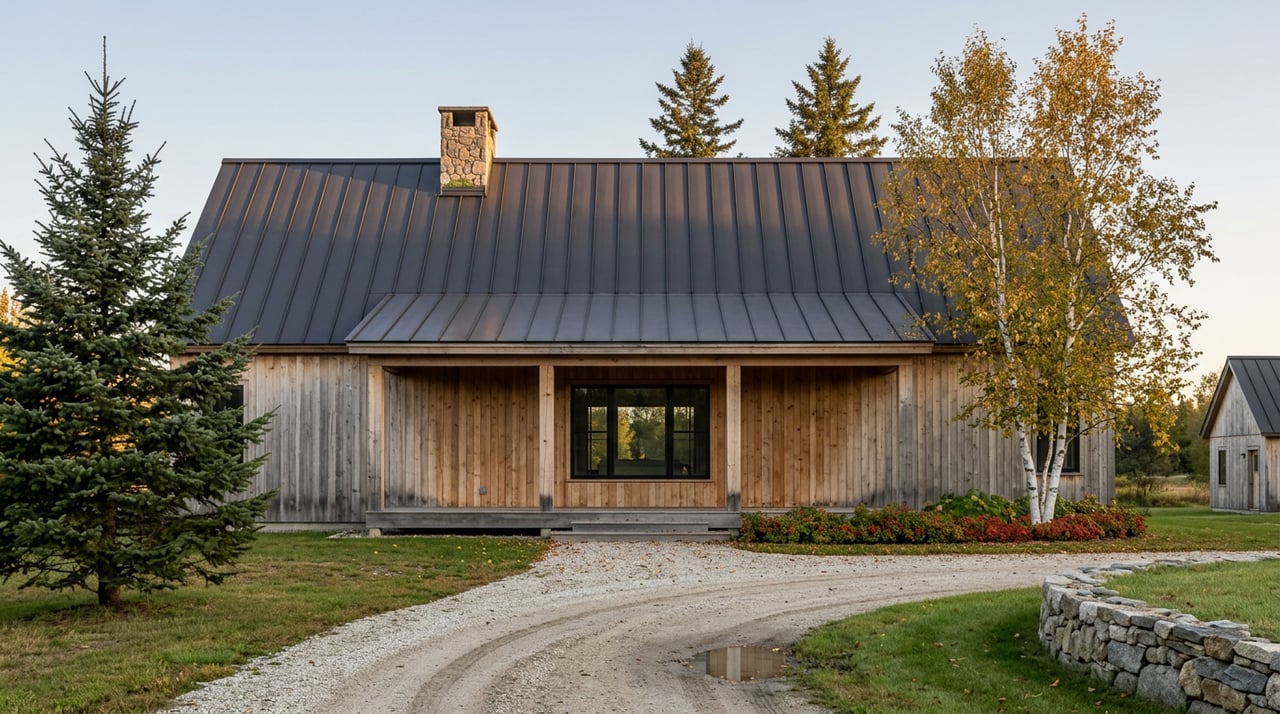
If you picture a starter home as a tiny house with no storage, North Pole may surprise you. The local housing stock leans heavily toward detached homes, with NeighborhoodScout reporting that 61.7% of homes are single-family detached. Smaller apartment buildings, apartment complexes, and townhomes also exist, which can give you a few different paths into homeownership.
A lot of likely starter-home options here are practical, mid-sized homes rather than ultra-compact properties. According to NeighborhoodScout’s local housing data, 32.1% of homes are 2-bedroom units and 26.8% are 3-bedroom units. That means your first home may offer enough space for a home office, guests, hobbies, or future needs without jumping straight into a much larger purchase.
Expected price range for first-time buyers
North Pole does not have just one clear price point, so it helps to think in ranges. Realtor.com’s market overview shows a median listing price of $354,900 as of December 2025, while Redfin’s February 2026 sold snapshot put the median sale price at $252,450 and noted limited sold-data volume. For first-time buyers, that gap suggests there may still be lower-priced opportunities even if the broader active market trends higher.
Current listing examples support that idea. On Realtor.com’s North Pole listings with garages, examples include a $250,000 3-bedroom condo, a $299,900 3-bedroom house, and a $334,900 3-bedroom house. In simple terms, many starter-home shoppers may be looking at options from about $250,000 into the mid-$300,000s, depending on size, condition, and lot setup.
Features many North Pole starter homes offer
One of the more useful things about shopping in North Pole is that many homes offer practical features that matter in daily life. Garage space shows up often in current listings, and Realtor.com currently shows many homes with at least one garage. That can be a major plus if you want covered parking, extra storage, or workspace.
You may also see heated garages, detached shops, and larger lots come up more often than you would expect in some other starter-home markets. Recent listing examples cited in the research include homes with attached heated garages, detached heated shops, and extra parking. For a first-time buyer, those features can add everyday function without needing an immediate upgrade.
Another thing to know is the age of the housing stock. NeighborhoodScout reports that 64.5% of homes were built between 1970 and 1999, and 24.1% were built in 2000 or later. That means many first homes in North Pole may be established properties with solid space and practical layouts, rather than brand-new construction.
Why the market may feel manageable
If you are worried that you will need to make an offer within hours, the current data suggests a more measured pace. Realtor.com labels North Pole a buyer’s market and reports 90 median days on market, with homes selling at about asking price on average. Redfin’s February 2026 snapshot showed homes taking 142 days on market.
That does not mean every good listing will sit forever. It does mean you may have more room to compare homes, ask questions, schedule inspections, and negotiate terms than buyers often get in faster markets. For first-time buyers, that extra breathing room can make the process less overwhelming.
How to prepare before you tour homes
Before you start visiting properties, it helps to get your financial documents in order. The Consumer Financial Protection Bureau recommends gathering pay stubs, W-2s, tax returns, bank statements, and proof of down payment funds before applying for a mortgage. Doing that early can help you move faster when you find a home you like.
You should also plan for closing costs in addition to your down payment. The CFPB says closing costs typically run about 2% to 5% of the home price. Building that into your budget from the start can help you avoid surprises later.
It is also smart to shop multiple lenders. The CFPB recommends comparing loan offers, and HUD’s homebuying guidance points buyers toward tools like a home-shopping checklist, inspection guidance, and FHA loan information. If a lower down payment is part of your plan, that research can be especially helpful.
Alaska programs that may help
If you meet the definition of a first-time buyer, Alaska-specific programs may be worth a look. Alaska Housing Finance Corporation offers First Home and First Home Limited programs through approved lenders. AHFC defines first-time buyers as people who have not owned a primary residence in the last three years.
AHFC also offers the HomeChoice class, a no-cost six-hour course for Alaska buyers in urban and rural areas. For many first-time buyers, a class like that can make the financing and closing process easier to understand. It can also help you feel more confident before you start writing offers.
Local conditions to watch during showings
In North Pole, you are not just buying square footage. You are also buying into Interior Alaska conditions that can affect how a home performs over time. The Cold Climate Housing Research Center notes that Alaska has widespread permafrost and unstable ground conditions, and thawing permafrost can affect foundations.
That is why first-time buyers here should pay close attention to the basics during showings and inspections. Foundation condition, drainage, slope, heating equipment, crawlspace access, and the condition of any detached garage or shop all deserve a careful look. These are not small details in this market. They are part of understanding how the home functions in local conditions.
What to expect from a realistic starter home
A realistic starter home in North Pole may not look exactly like the first-home picture you had in mind, and that is okay. It may be a 2- or 3-bedroom detached home with an older build year, a practical floor plan, a garage, and enough land for breathing room. It could also be a condo or townhome that gives you a lower entry point while still offering useful space.
The key is to focus on function, condition, and total monthly cost. In North Pole, a good starter home is often one that gives you solid everyday usability and room to grow into the property over time. That can be a smart first step, especially in a market where you may have time to make a careful decision.
If you are ready to explore what starter homes really look like in North Pole, working with a local team can help you narrow the field and spot the details that matter. The Leaders Real Estate Team brings practical local guidance, responsive communication, and hands-on support to help you move forward with confidence.
FAQs
What price range should first-time buyers expect in North Pole?
- Based on current local data, many entry-level options appear to fall roughly between $250,000 and the mid-$300,000s, depending on the property’s size, condition, and features.
What types of starter homes are common in North Pole?
- Many likely starter homes are 2- to 3-bedroom properties, often single-family detached homes, with some condo and townhome options mixed in.
What features do North Pole starter homes often include?
- Garage space is a common feature, and some homes also offer heated garages, detached shops, extra parking, or larger lots.
What should first-time buyers budget beyond the down payment in North Pole?
- The CFPB says closing costs typically range from 2% to 5% of the home price, so you should budget for those expenses separately from your down payment.
What should buyers inspect carefully in North Pole homes?
- In Interior Alaska, it is especially important to review foundation condition, drainage, slope, crawlspace access, heating equipment, and the condition of garages or detached shops.
What Alaska programs may help first-time buyers in North Pole?
- AHFC offers First Home and First Home Limited programs through approved lenders, along with the no-cost HomeChoice class for Alaska buyers.