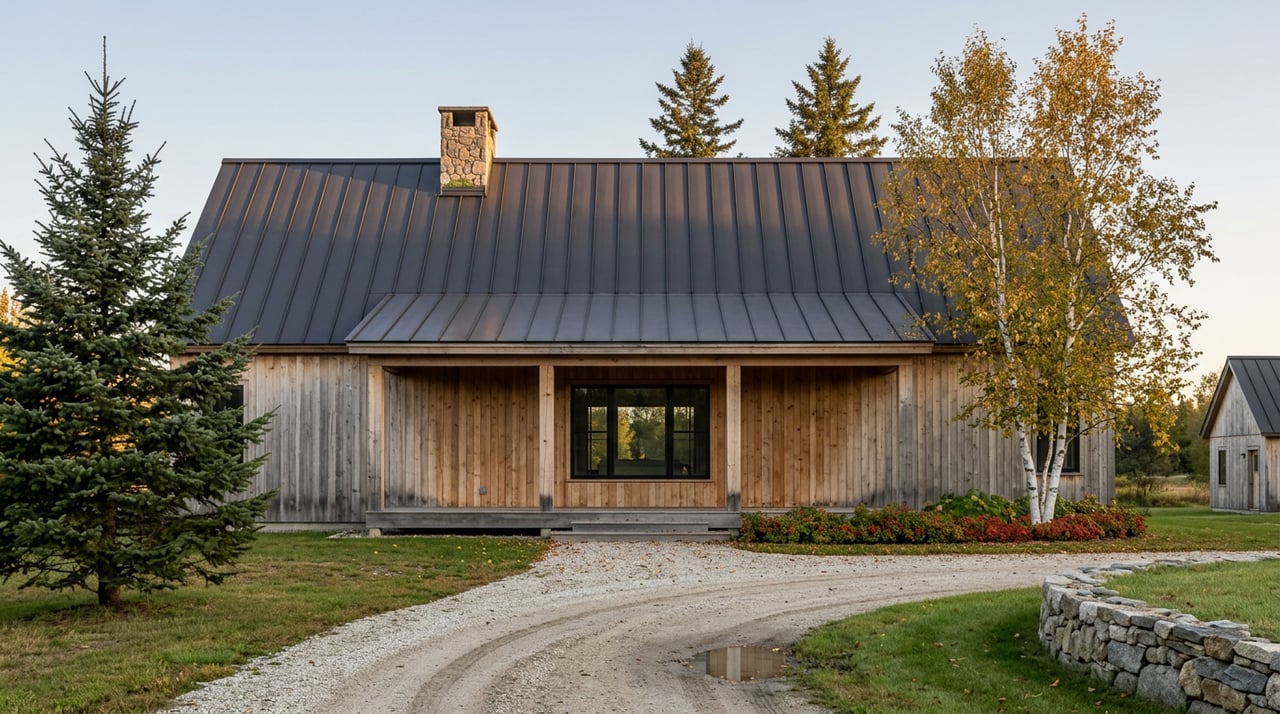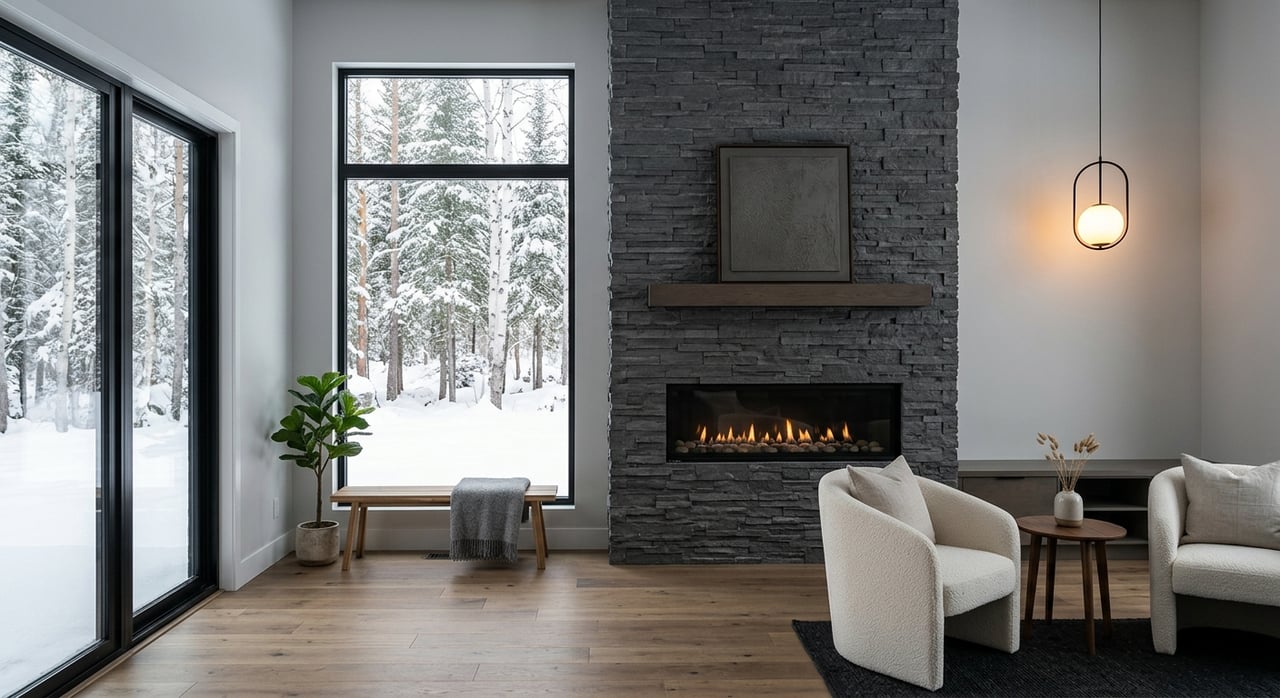
Trying to choose between Fairbanks and North Pole? You are not alone. Many buyers moving within Interior Alaska or relocating from outside the area want the same answer: which place fits your daily life better? The good news is that both cities offer solid options, but they serve different priorities. This guide will help you compare housing style, commute patterns, services, and key property details so you can make a confident move. Let’s dive in.
Fairbanks vs. North Pole basics
Fairbanks and North Pole are separate cities within the Fairbanks North Star Borough. Fairbanks is the borough seat and is often described as the Interior’s service and supply center, while North Pole is the smaller of the two cities with a more lot-oriented pattern.
In the latest Census data cited by the borough, Fairbanks had 31,732 residents and covered 31.75 square miles. North Pole is much smaller at 4.1 square miles. That size difference helps explain why the day-to-day feel of each city can be different.
Choose based on daily lifestyle
Your best choice often comes down to how you want your week to work. If you want more direct access to services, mixed housing options, and major local destinations, Fairbanks may feel like the better fit.
If you prefer a smaller city, larger-lot residential character, and a setting that can feel quieter or more suburban, North Pole may check more boxes. Neither option is universally better. The right answer depends on what matters most to you.
Fairbanks housing feel
More mixed housing options
Fairbanks has a more urban and mixed-use development pattern. According to the borough’s comprehensive planning documents, the city core includes multi-family, duplex, and some single-family zoning, with commercial, recreation, and light industrial uses mixed around the center.
For you as a buyer, that can mean more neighborhood variety. It can also mean more chances to find smaller-lot homes or attached housing closer to services and major destinations.
More central convenience
Because Fairbanks functions as a regional hub, many buyers focus on convenience here. The city connects more directly to key institutions and transit nodes, including routes serving the University of Alaska Fairbanks, the airport, Fairbanks Memorial Hospital, and major retail areas.
If cutting down on day-to-day errands is high on your list, Fairbanks often stands out. That is especially true if you want a home closer to core services rather than a more spread-out residential setting.
North Pole housing feel
Larger-lot residential character
North Pole has a more suburban and lot-oriented pattern. Borough planning documents describe a mix of large residential lots, single-family, duplex, and multi-family uses within city limits, along with commercial areas, open space, and some rural or industrial land.
In practical terms, many buyers are drawn to North Pole for more yard space and a quieter feel. That local character has also made it a common choice for people who want a little more separation between home and busier commercial areas.
A smaller-city setting
North Pole still offers local essentials, including a borough library branch and stops on the MACS transit Green Line. The city is its own municipality, with its own elected mayor and council, even though it shares the same borough structure as Fairbanks.
For some buyers, that smaller footprint is part of the appeal. You may like the idea of living in a more compact city while still staying connected to the larger Fairbanks area.
What prices may tell you
Recent borough MLS figures provide a useful snapshot of single-family home pricing in 2024. The average sale price was about $330,000 boroughwide, with about $294,646 in the Fairbanks city area and about $341,975 in the North Pole/Badger area.
These figures exclude condos and mobile homes, so they are not a full picture of every property type. Still, they give you a helpful starting point if you are deciding whether your budget aligns more closely with one area or the other.
Commute matters more than distance
A lot of buyers start by looking at mileage, but your real commute experience can depend on more than a map. Fairbanks is a major regional transportation hub, tied to the airport, Alaska Railroad, and the road network that supports the broader area.
North Pole sits south of Fairbanks, and the borough planning documents note that North Pole High School is 14 miles south of Fairbanks as a useful shorthand for relative distance. For military households and other commuters, that difference in location can shape your daily routine.
North Pole and Eielson access
State labor reporting notes that North Pole can offer a shorter commute to Eielson. It also reports that some people who work in Fairbanks or at Fort Wainwright still choose North Pole because they want larger lots and a more rural character.
That balance is worth thinking through carefully. A home that gives you more space may also change your drive time depending on where you work most often.
Transit access in both cities
MACS fixed-route transit serves much of the urban area and has expanded to North Pole. The Green Line includes stops such as North Pole High School, North Pole Library, North Pole Mall, North Pole Middle School and Wescott Pool, and Santa Claus House.
Other routes connect riders in the Fairbanks area to UAF, the airport, Fairbanks Memorial Hospital, and retail hubs. If transit access matters to your household, it is smart to compare nearby stops before choosing a specific property.
Services and everyday convenience
Fairbanks has the deeper service base
Fairbanks has the broader service network. It is the borough seat, identifies itself as the Interior’s service and supply center, and is home to the Noel Wien main library.
If you want easier access to government services, larger community institutions, and more centralized day-to-day amenities, Fairbanks may feel more convenient. For many buyers, that convenience is one of the biggest deciding factors.
North Pole still covers the essentials
North Pole is smaller, but it still has important daily-use destinations. The borough library system operates a branch there, and local transit serves the library, mall, pool, schools, and other community stops.
That means living in North Pole does not mean giving up access to basics. Instead, you may be choosing a different balance between local convenience and a lower-density residential setting.
School boundaries are boroughwide
Many buyers ask whether choosing Fairbanks or North Pole automatically determines school quality or options. The more accurate way to think about it is attendance zones and program fit.
Both cities are served by the same borough school district, which reports 28 schools and more than 11,800 students. If schools are a major factor in your move, it is best to review the assigned attendance area and program options for any specific address you are considering.
Outside city limits, verify the details
This is one of the biggest points buyers should not overlook. If you are shopping outside city limits, especially for acreage or fringe properties, road and utility questions are parcel-specific rather than city-wide.
The borough notes that limited plumbing and telephone service is more common in lower-density areas. Before you make an offer, verify utility availability, winter access, and whether the road is maintained through a city or a borough road service area.
Why road service status matters
Road maintenance can vary depending on where a home sits. The borough says the City of Fairbanks maintains about 28 miles of road, the City of North Pole maintains about 18 miles, and the borough maintains 499 miles through 103 Road Service Areas.
That means your winter driving experience may depend less on the city name in the address and more on who is responsible for plowing and maintenance. This matters most for acreage properties and homes outside the core city areas.
A simple way to decide
If you are still torn, use this quick framework:
- Choose Fairbanks if you want more direct access to services, more mixed housing options, and stronger connections to major transit nodes and core institutions.
- Choose North Pole if you want a smaller city feel, larger-lot residential character, and a location that may better suit your routine if you travel the Richardson Highway corridor or commute toward Eielson.
- Pause and verify details for any property outside city limits, especially road service area status, utility availability, and winter access.
The best home is not just about the house itself. It is about how the location supports your work, errands, commute, and long-term plans.
If you want help comparing neighborhoods, commute tradeoffs, or specific homes in Fairbanks or North Pole, the team at Leaders Real Estate Team can help you narrow down the right fit for your move.
FAQs
Is North Pole its own city in the Fairbanks area?
- Yes. The Fairbanks North Star Borough includes both the City of Fairbanks and the City of North Pole, and each city has its own elected mayor and council.
Which city has more housing variety: Fairbanks or North Pole?
- Fairbanks generally has more mixed zoning in the core, including multi-family, duplex, and some single-family housing, while North Pole tends to have a more larger-lot residential pattern.
Which city is usually better for access to services in Interior Alaska?
- Fairbanks usually offers more direct access to services because it is the borough seat and the Interior’s service and supply center.
What should buyers verify for homes outside Fairbanks or North Pole city limits?
- Buyers should verify road service area status, utility availability, and winter access before closing on properties outside city limits.
Are Fairbanks and North Pole in the same school district?
- Yes. Both cities are served by the same borough school district, so school fit usually depends on attendance zones and program options tied to a specific address.
How do Fairbanks and North Pole home prices compare?
- In the borough’s 2024 MLS figures for single-family homes, the average sale price was about $294,646 in the Fairbanks city area and about $341,975 in the North Pole/Badger area.