When winter settles into Fairbanks, the real estate market changes right along with the weather. Short daylight, deep cold, and snow affect how homes show, how inspections work, and how fast deals move. If you are planning a purchase or sale, you want a clear picture of what to expect so you can make confident decisions. This guide explains how winter shapes inventory, pricing, showings, inspections, and closings in Fairbanks and the Fairbanks North Star Borough, plus practical strategies for buyers and sellers. Let’s dive in.
Winter in Fairbanks: What changes
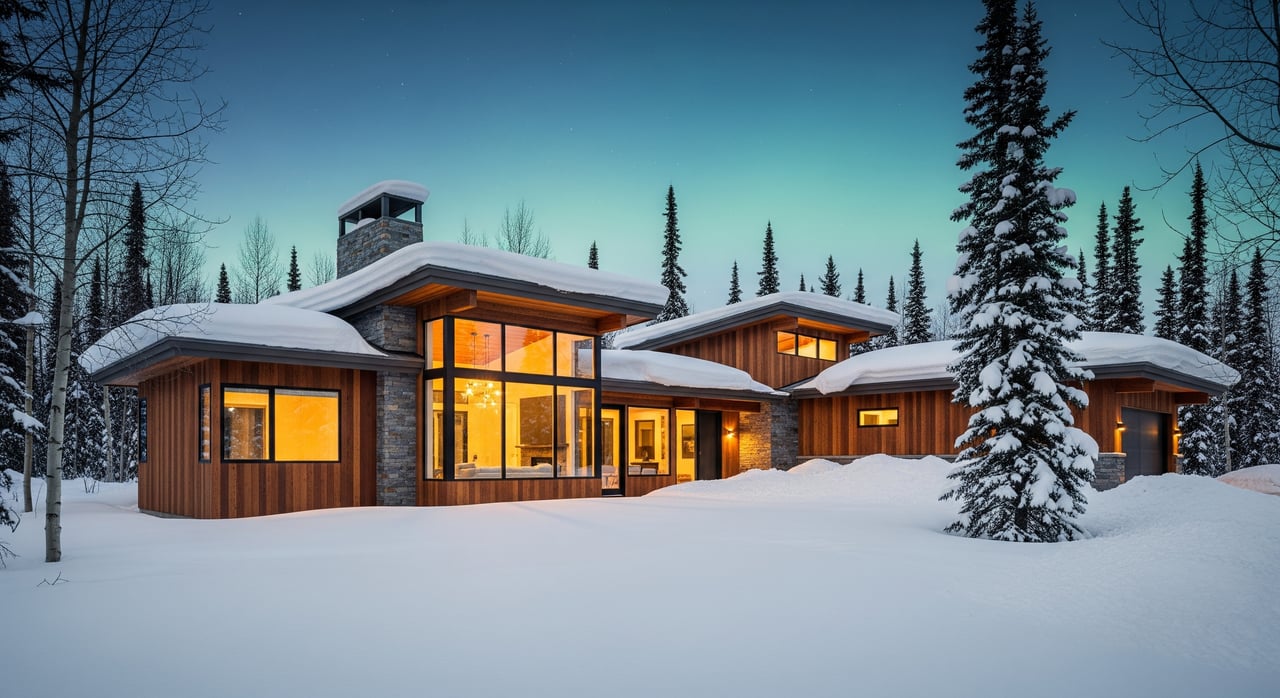
Interior Alaska winters are long and cold, with prolonged subzero temperatures, heavy snow and ice, and very short daylight in late fall and winter. These conditions influence property access, curb appeal, and the visibility of certain systems that are easier to evaluate in summer, such as landscaping, drainage, and septic components. You will notice that walkways and driveways become part of the showing experience, and safe access matters.
Local demand also shifts with the season. Military Permanent Change of Station cycles often peak in summer, which usually brings more listings and more buyers. University of Alaska Fairbanks academic schedules also influence timing for some moves, which is another reason winter tends to be quieter.
Inventory and buyer traffic
Fewer listings, narrower choice
It is common to see fewer active listings in winter because many owners prefer to list when curb appeal is stronger and moving is easier. With fewer homes on the market, your choices can feel limited. That said, the homes that are available often receive focused attention from motivated buyers.
Days on market and showings
Buyer traffic usually slows in deep winter, and that can lead to longer average days on market for some listings. Short daylight and weather constraints reduce showing windows, which can slow the pace of offers. Even so, serious local buyers, transferees, and investors continue to shop and move forward when a property is well presented and priced to current conditions.
Pricing and negotiation
Buyer leverage and concessions
Two dynamics often show up in winter. First, fewer competing buyers can improve your negotiation position as a buyer, opening the door to price reductions or seller concessions like closing cost help. Second, sellers who need to move during winter may be more motivated to accept a fair offer that keeps timelines on track.
When homes still sell fast
Homes that are clean, warm, and priced accurately can stand out in winter. With fewer alternatives available, a well-presented property can still receive competitive attention and timely offers. The key is to meet the market where it is rather than where it might be in spring.
Showings and staging in cold
Winter showings require a bit more planning and attention to comfort and safety.
- Keep walkways, steps, and driveways clear of snow and ice.
- Ensure exterior lighting is bright and functional for low-light showings.
- Maintain a comfortable interior temperature and highlight warm, inviting spaces.
- Use high-quality photos and video, since daylight is limited and many buyers pre-screen online.
- Provide practical information such as recent utility bills or furnace service records to build confidence.
Inspections and appraisals
Winter inspection limits
Frozen ground and snow can limit what inspectors can evaluate. Roof surfaces may be covered, underground systems like septic and drainage are hard to test, and some exterior grading issues are difficult to see. Plan for a thorough interior and mechanical review now, then consider a follow-up inspection in spring if you need to verify items that were inaccessible in winter.
Appraisal timing and comps
Appraisers rely on comparable sales. Winter has fewer fresh comps and seasonal price variation, which can complicate valuations. Be prepared for appraisers to note seasonal limitations and for lenders to request verification or reserves in some cases.
Closings and logistics
Closing and moving in deep winter takes coordination. Shipping or mail delays, limited daylight for walk-throughs, and very cold temperatures can affect timing. Lenders, title companies, and local service providers in Fairbanks are used to winter closings, but you should add a little extra cushion to your schedule and keep the property heated through possession to protect systems.
Buyer playbook for winter
Here is how to use the season to your advantage while managing risk.
Opportunities
- Less competition can mean more negotiating power and better terms.
- Motivated sellers may support faster timelines when both sides aim to close.
- Seasonal price reductions are more common on longer-running listings.
Risks and how to mitigate
- Hidden winter issues: request seller maintenance records, especially for heating, insulation, and snow or ice management.
- Inspection limits: include appropriate contingencies, and consider a spring follow-up for items that could not be tested.
- Appraisal gaps: discuss scenarios with your lender and agent, and plan for potential reserves.
- Reduced showing windows: be flexible, and rely on virtual tours or video to pre-screen homes.
Quick checklist
- Secure a current pre-approval letter.
- Set aside reserves for possible appraisal or repair needs.
- Ask for utility history and furnace service documentation.
- Prioritize strong roofs, heating systems, insulation, and safe access.
Seller playbook for winter
If you list in winter, focus on safety, comfort, and clarity to attract serious buyers.
Pricing and marketing
- Price to the current season rather than speculating on spring demand.
- Use professional photos and video, and offer virtual tours to expand reach.
- Highlight practical winter features, such as a heated garage or recent boiler service.
Presentation and access
- Clear snow and ice frequently, and salt walkways.
- Keep entry areas bright and welcoming; maintain a warm interior during showings.
- Provide recent utility bills and heating system records to build buyer confidence.
Concessions and flexibility
- Consider offering closing cost assistance or a home warranty.
- Be flexible with possession timelines to ease moving logistics in extreme cold.
Risk management
- Disclose known issues openly, including any past winter-related concerns.
- Acknowledge inspection limits due to snow or frozen conditions and provide any helpful documentation.
Build a current market snapshot
A clear, date-stamped snapshot helps you make timely decisions in a thin winter market. Track a few core metrics and interpret what they mean for your next step.
How to compile your snapshot
- Pick a date and update weekly if possible.
- Track active listings, new listings in the last 30 to 90 days, and pending sales.
- Note median sale price over 30, 90, and 365 days to see trend lines.
- Record median days on market and months of supply.
- Watch the share of listings with recent price reductions.
What the numbers mean
- Low inventory with steady pending sales suggests more room to negotiate on contingencies rather than price alone.
- Rising months of supply can signal more leverage for buyers.
- Shortening days on market can indicate that well-priced homes are moving quickly despite the season.
Simple template you can use
- Snapshot date: [enter date]
- Active listings: [count]
- New listings (30 days): [count]
- Pending sales (30 days): [count]
- Median sale price (30/90/365 days): [$x / $x / $x]
- Median days on market (30/90 days): [x / x]
- Months of supply: [x.x]
- Price reductions (last 30 days): [x%]
If you want a live, local snapshot for Fairbanks or North Pole, our team can pull the latest inventory and pricing trends and explain what they mean for your plan.
Put it all together
Winter in Fairbanks changes the pace and the playbook, but it does not stop real estate from moving. With fewer listings and buyers, negotiation and timing look different, and inspections and appraisals require extra planning. When you prepare for the season’s realities, you can find good opportunities and keep your transaction on track.
If you are weighing a purchase or sale this winter, we can help you set strategy, price correctly, and navigate inspections and closing logistics with confidence. Reach out to the Leaders Real Estate Team for a current market snapshot, relocation support, or to Get a Free Home Valuation.
FAQs
Is winter a bad time to buy or sell in Fairbanks?
- Winter reduces inventory and buyer traffic, which can create buyer leverage and also help motivated sellers move quickly when pricing and presentation are right.
How do inspections work in Fairbanks winter?
- Inspectors may be limited on roofs, septic, and exterior drainage; plan for targeted winter inspections and, if needed, a spring follow-up for items that could not be tested.
Will a winter appraisal hurt my sale price?
- Appraisals can be more complex due to fewer seasonal comparables; work with your lender and agent on valuation strategy and be prepared for documentation requests.
Should I wait until spring to list in Fairbanks?
- Spring often brings more listings and buyers, but also more competition; the right choice depends on your timing needs, local data at your snapshot date, and interest rate trends.
How can I show a home safely during deep cold?
- Keep access clear of snow and ice, brighten exterior lighting, heat interiors for comfort, and provide utility and furnace service records to give buyers confidence.