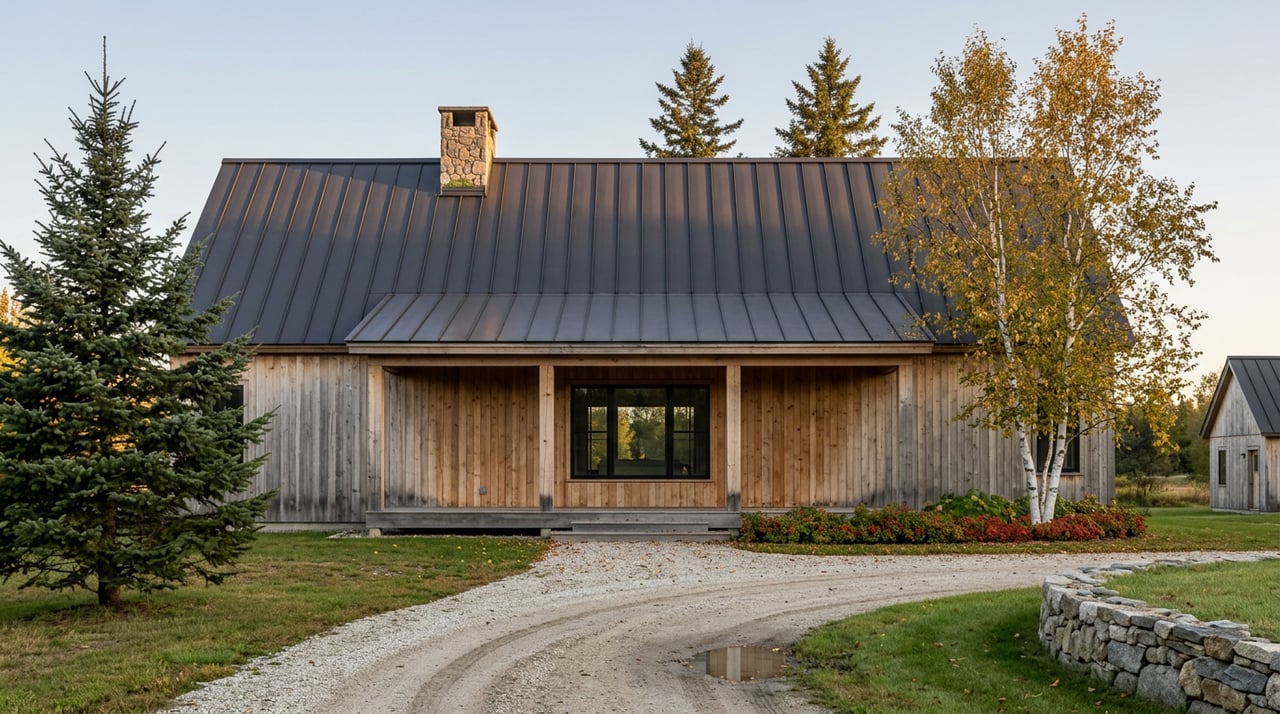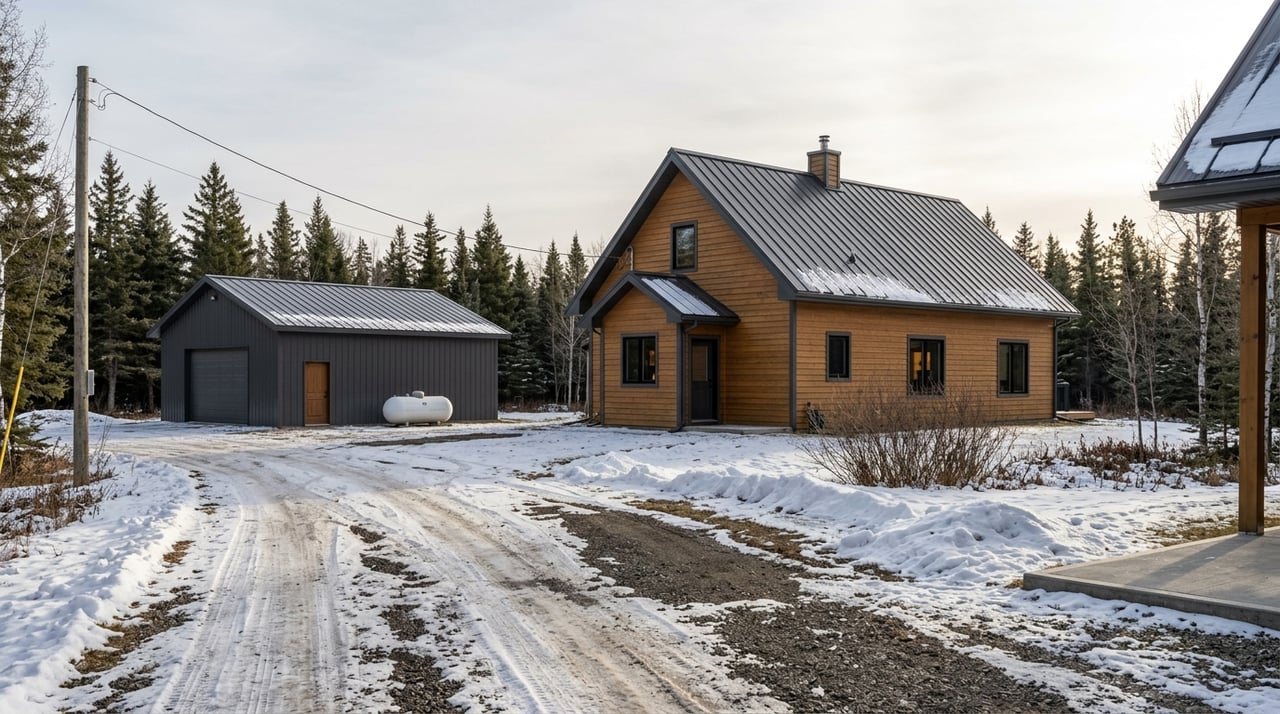
Looking at acreage homes in North Pole can feel exciting right up until the practical questions start piling up. You may love the extra space, privacy, and flexibility, but day-to-day life on a larger parcel often depends on roads, utilities, heating, and winter upkeep as much as the house itself. If you are weighing a North Pole acreage property, this guide will help you focus on the realities that matter most before you make an offer. Let’s dive in.
Why North Pole acreage feels different
Acreage homes in North Pole are not just bigger versions of in-town properties. In many cases, they come with a different service pattern, which can shape your daily routine long after closing.
North Pole sits about 15 miles from Fairbanks, and the drive is often described as a short 20-minute trip in normal conditions. The Richardson Highway runs through North Pole toward Fairbanks, which helps explain why many buyers compare convenience in town with the extra room and independence that can come with acreage.
Utilities can vary by parcel
One of the biggest surprises for buyers is that two similar-looking properties can function very differently. In the Fairbanks North Star Borough, water and sewer service are generally limited to the city limits of Fairbanks and North Pole and to military bases, while many other areas commonly rely on wells or water holding tanks along with septic systems.
That matters because larger lots are often tied to onsite utility needs. If a home is not connected to municipal water and sewer, you may also be taking on pumps, water treatment, septic maintenance, and winter freeze-protection concerns.
City utility service is not always obvious
It is easy to assume a property outside city limits has no city utility service, but that is not always true. The borough planning report says the City of North Pole serves the city limits and some surrounding area, extending east to Moose Creek, north to Badger Road, and west to Keeney Road, with water service outside the core city area.
There is also local history behind some of those service patterns. The City of North Pole has noted that water distribution infrastructure was built for parcels affected by groundwater contamination, including some areas outside city limits. The takeaway for you is simple: verify utility service parcel by parcel.
Connection details matter
Even if municipal water is available, the setup may not be simple. The City of North Pole utility standards say residential services outside city limits, and any service line longer than 50 feet, require a circulation pump.
The same standards also say one service connection serves only one lot and generally cannot cross a lot line without an easement. That means legal boundaries, service line layout, and access documents can matter just as much as the house features you see in listing photos.
Roads affect everyday life
For many acreage buyers, road access is not a minor detail. It is one of the most important parts of the ownership experience, especially in winter.
The Fairbanks North Star Borough is a second-class borough without area-wide road powers, so road service depends on special service areas. The borough has 103 road service areas, and maintenance levels are tied to resident voting and local funding decisions.
Road maintenance may differ from one property to the next
Inside North Pole, the city maintains 20 miles of city-maintained roads and 12 miles of sidewalks and walking paths. That includes snow plowing, graveling icy intersections, sweeping, patching, paving, striping, and brush cutting.
Outside that footprint, an acreage parcel may have a very different maintenance picture. Before you buy, it helps to know exactly who maintains the road, what level of snow service exists, and whether access feels reliable in every season.
Winter logistics are part of ownership
In the North Pole area, winter habits are part of daily life. The borough says residents should not push snow into the road right-of-way, and it advises keeping driveway culverts clear for spring runoff.
That means snow storage, driveway design, and drainage are not just nice planning details. On acreage, they are part of how you live on and maintain the property.
Commutes can change by season
A route that looks easy on a map may feel different in practice depending on weather and road conditions. Explore Fairbanks notes that many Interior roads have uneven surfaces because of thawing ground below pavement or gravel, and summer road work can also create delays.
For you, that means the usual North Pole to Fairbanks drive may feel routine at one time of year and more demanding at another. If your schedule depends on regular commuting, it is smart to think beyond mileage alone.
More space often means more self-management
Many buyers want acreage because it offers breathing room and flexibility. That tradeoff can be worthwhile, but it usually comes with more responsibility.
In the North Pole area, fragmented road service, varying utility setups, and mechanical requirements like circulation pumps all point to the same basic truth. Larger parcels often give you more freedom, but they may also require more active attention to infrastructure and maintenance.
Water systems can be more hands-on
If a property uses a well or water holding tank, daily life may include systems that need regular monitoring. The borough planning report notes that local water is frequently hard and often needs softening or other treatment.
That can mean filters, pumps, service schedules, and extra winter planning. A country property may fit your goals well, but it is wise to understand the system you are taking on.
Heating choices need a closer look
Heating is another major factor in Interior Alaska. The Fairbanks North Star Borough remains under a PM2.5 nonattainment framework, and the control strategy focuses heavily on home-heating devices.
The plan includes measures such as curtailment for solid-fuel heaters, dry-wood requirements, woodstove changeouts, and prohibitions on open burning. If you are considering a property with wood heat or thinking about burn piles or frequent solid-fuel use, verify the applicable parcel-level rules before you move forward.
Zoning and permits still matter on acreage
Acreage can create a sense of freedom, but it does not remove local land use rules. If you want animals, a shop, an outbuilding, or a future addition, check the exact property requirements early.
The borough says domestic livestock is allowed only in certain zoning districts, and in rural residential zoning it depends on lot size. In other words, acreage alone does not automatically mean every intended use is allowed.
Building rules can change by location
Permit requirements also vary depending on where the property sits. The borough says building permits are required within the City of North Pole or the City of Fairbanks, while borough-at-large parcels may still need zoning permits before excavation or construction.
If you are planning to add a cabin, shop, garage, or major improvement, confirming the permitting path early can save time and frustration later.
Daily life follows the seasons
North Pole acreage living is shaped by the rhythm of Interior Alaska. Explore Fairbanks says Aurora Season runs from August 21 to April 21, while Midnight Sun Season runs from April 22 to August 20.
The area also experiences about 70 straight days of sunlight from roughly May 17 through July 27. Those major swings in daylight can affect commuting, outdoor work, property upkeep, and how your routine feels on a larger parcel.
Questions to answer before you buy
When you tour acreage homes in North Pole, it helps to go beyond square footage and finishes. Ask questions that reveal how the property works in real life.
Here are a few of the most important ones:
- Who maintains the road, and is there year-round snow service?
- Is the home on municipal water and sewer, or does it rely on a well, holding tank, and septic system?
- If municipal water is available, does the parcel require a circulation pump or an easement-based connection?
- What is the heating source, and do local air-quality or open-burning rules affect how it can be used?
- Is the property inside North Pole city limits for permitting and utility purposes?
- How will the winter commute feel in practice, not just on paper?
What smart acreage buyers focus on
The best North Pole acreage purchase is not always the one with the most land. It is the one that matches your budget, your routine, and your comfort level with ongoing property management.
If you like independence and space, acreage can be a great fit. If you want simpler utility service, easier road maintenance, and fewer moving parts, a more in-town option may serve you better.
A local, property-specific review can make a big difference before you commit. If you want help comparing acreage homes in North Pole or understanding how a parcel may function day to day, connect with Leaders Real Estate Team for practical, local guidance.
FAQs
What makes North Pole acreage homes different from in-town homes?
- North Pole acreage homes often differ more by road access, utility setup, and winter maintenance needs than by lot size alone.
What utility systems are common on North Pole acreage properties?
- Many properties outside core municipal service areas commonly rely on wells or water holding tanks along with septic systems, though some surrounding parcels may have city water service.
What should you ask about roads on a North Pole acreage property?
- You should ask who maintains the road, what snow service exists, and how access holds up through winter and spring runoff.
What should buyers know about heating rules in the Fairbanks North Star Borough?
- Buyers should verify how a home's heating source fits local PM2.5-related requirements, especially if they want wood heat, burn piles, or other solid-fuel use.
Can you keep animals on any acreage property in North Pole?
- No, domestic livestock is allowed only in certain zoning districts, and in rural residential zoning it depends on lot size.
Do all North Pole acreage properties follow the same permit rules?
- No, permit requirements can change based on whether the property is inside the City of North Pole or in the borough-at-large.