Trying to choose between a home in town and a place with more land outside Fairbanks? It is one of the biggest decisions local buyers make, especially when you are balancing commute time, winter road conditions, utility setup, and budget. The good news is that both options can work well, as long as they fit how you actually live day to day. Let’s break down what in-town and country living really look like in the Fairbanks area.
How Fairbanks housing is laid out
In the Fairbanks North Star Borough, the housing landscape changes quickly once you move beyond the city limits. Inside the cities of Fairbanks and North Pole, residential development includes a mix of single-family and multifamily housing on generally smaller lots supported by public water and sewer.
Outside the cities and military installations, the pattern is much broader. You will find suburban large-lot neighborhoods, rural residential parcels, and in some places even off-grid living. The borough identifies outlying residential areas such as College, Badger, Farmer’s Loop, Steele Creek, Ester, Chena Ridge, Goldstream, Pleasant Valley, Two Rivers, and Salcha.
For buyers, that means the choice is not simply “city” versus “country.” In the Fairbanks area, there is a spectrum that ranges from close-in neighborhoods with easier access to services to farther-out properties that offer more land and flexibility.
What in-town living usually means
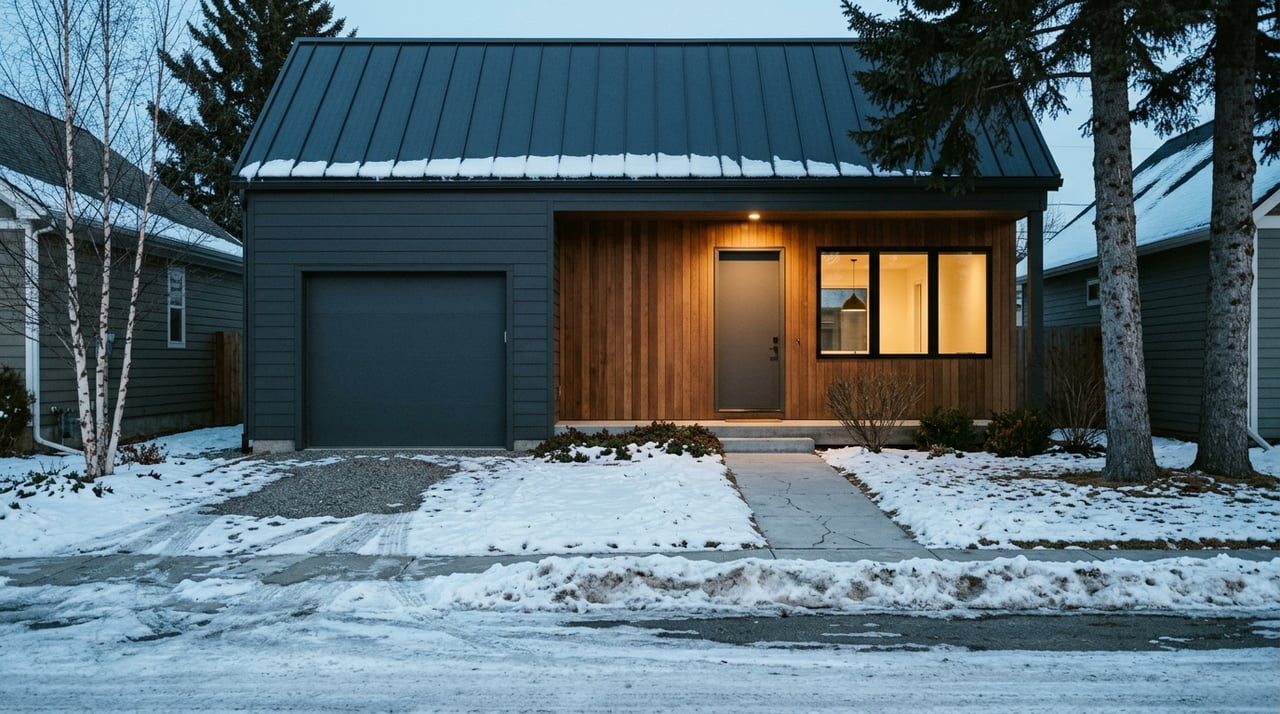
In-town living typically gives you more predictable access to roads, utilities, and public services. In the Fairbanks core, which the borough groups with places like Fort Wainwright, College, University West, and Chena Pump for market comparison, homes are often on smaller lots with more established infrastructure.
That setup can simplify daily life. If you want a shorter or more consistent commute, fewer utility unknowns, and easier access to transit or city services, staying closer to town may be the better fit.
MACS fixed-route transit serves most of the urban area and also reaches North Pole, Farmers Loop, and the airport. That can matter if your household wants another transportation option besides driving, especially during winter.
What country living usually means
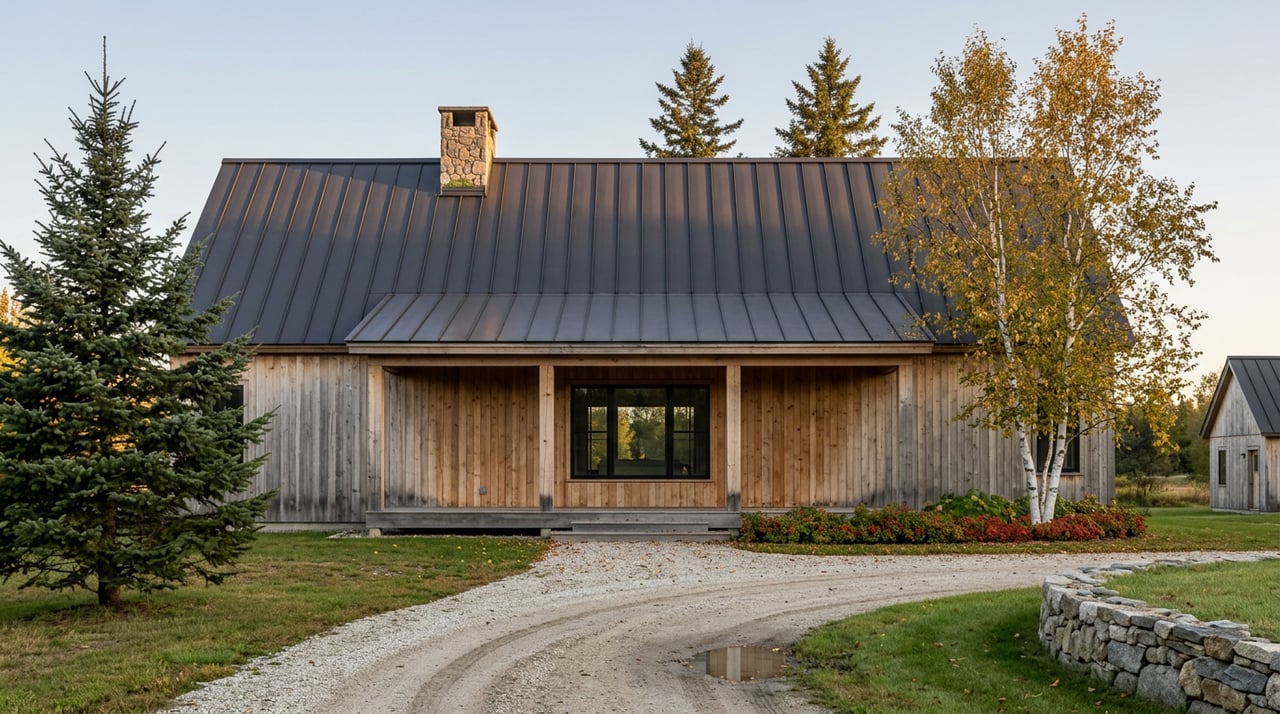
Country living in the Fairbanks area often means more space and a different set of tradeoffs. Depending on the area, you may find larger lots, more separation between properties, and more flexibility in how the property functions.
At the same time, rural and outlying properties often require more hands-on due diligence. Outside city limits and military bases, many homes rely on wells or water-holding tanks and septic systems, and some remote areas are dry and use outhouses.
Lot sizes also tend to be larger because of those utility needs. The borough notes that properties with onsite water and septic can require around 40,000 square feet, and some rural-residential lots may need more than 80,000 square feet.
Winter commute matters more than miles
One of the biggest differences between in-town and country living is how winter affects daily travel. A property may not look far away on a map, but road conditions and maintenance can make the drive feel very different in January than it does in July.
The City of Fairbanks maintains 355 lane miles of streets and 27 miles of sidewalks. Its snow-removal plan prioritizes main roads, emergency routes, school zones, and key public areas before residential neighborhoods.
Outside the city, road maintenance works differently. The Fairbanks North Star Borough manages road maintenance through 103 road service areas, each with its own budget and volunteer commissioners, and the borough notes that some roads are not fully constructed or may be passable only by ATVs.
That does not mean rural living is a bad choice. It simply means you should look closely at who maintains the road, whether the road is in a service area, and what winter access is realistically like before you commit.
Utilities can change your buying decision
Utility setup is one of the most important differences between in-town and country properties. In Fairbanks and North Pole city limits, plus the military bases, water and sewer service are generally available.
Elsewhere, you may need to evaluate a well, holding tank, septic system, or a more limited setup. Those details affect not just convenience, but also maintenance, inspections, and long-term planning.
The borough-wide housing data shows why this matters. In 2023, 5% of occupied homes in the borough lacked complete plumbing and 2% lacked telephone service. Those numbers are not limited to rural properties, but they are a strong reminder to verify the basics carefully.
Price differences are not always what buyers expect
Many buyers assume country homes are always cheaper. In the Fairbanks area, the numbers do not support that assumption.
In 2024, the borough’s MLS-based average single-family sale price was $294,646 for the Fairbanks core group. The average was $399,002 for Fairbanks rural, $341,975 for North Pole and Badger Road, and $285,055 for remote FNSB.
The borough report notes that rural areas outside Fairbanks have generally been higher than the city and immediate surroundings in recent years. So if you are comparing homes, it helps to think beyond simple “town versus country” pricing and focus on the specific area, property type, and infrastructure.
Ongoing costs deserve a hard look
Purchase price is only part of the budget. In the Fairbanks area, utility and heating costs can have a major impact on monthly ownership costs.
In the first quarter of 2024, the City of Fairbanks had a cost-of-living index of 122.3 compared with the U.S. composite, and utilities were at 196.7. Interior Alaska residential electricity averaged $0.28 per kilowatt-hour in 2024.
Heating is also a major factor. In 2023, 73% of borough households used fuel oil as their primary heat source. For buyers looking at larger homes or properties with more exposure to weather and maintenance, those ongoing costs are worth reviewing early.
School boundaries depend on the exact address
If school assignment is part of your decision, the exact property address matters. The district updated boundaries for the 2025-26 school year and allows families to look up the neighborhood school and bus stop by address.
Bus transportation is available for students living more than 1.5 miles from school. Out-of-attendance-area enrollment may be possible if space is available, but it is not guaranteed year to year.
That means buyers should avoid making assumptions based on a general area alone. When comparing an in-town home with a road-system property farther out, it is smart to confirm the address-specific school assignment early in the process.
Questions to ask before choosing in-town or country
Before you narrow your search, it helps to ask practical questions that match the realities of Interior Alaska living.
- How much winter driving are you comfortable with?
- Do you want access to fixed-route transit?
- Who maintains the road, and is it in a road service area?
- Is the home on city water and sewer, or does it rely on a well, holding tank, or septic?
- Does the lot size fit your long-term plans?
- Are you prepared for the utility and maintenance costs that may come with more land?
These questions often tell you more than square footage alone. A home that looks perfect online may not be the right fit if the road, utility setup, or commute does not match your daily needs.
Which option fits your lifestyle best
If you value convenience, more predictable road maintenance, and easier access to services, an in-town or near-town location may make more sense. If you want more space, larger lots, and flexibility, a country property may be worth the extra research.
Neither choice is automatically better. The right fit depends on how you balance commute, winter logistics, utilities, budget, and long-term goals.
That is where local guidance matters. When you understand how Fairbanks-area properties differ from one road to the next, you can make a decision with more confidence and fewer surprises.
If you are weighing neighborhoods in Fairbanks, North Pole, or nearby communities, the team at Leaders Real Estate Team can help you compare options, narrow the search, and move forward with a plan that fits your life.
FAQs
What is the main difference between in-town and country living in Fairbanks?
- In-town living generally offers more convenience, smaller lots, and access to public water and sewer, while country living usually offers more space and flexibility but requires closer review of roads, utilities, and winter access.
Are rural homes around Fairbanks always less expensive?
- No. In 2024, the average single-family sale price in the Fairbanks rural group was higher than the Fairbanks core group, so buyers should compare specific areas rather than assume country homes cost less.
What utilities should buyers check on country properties near Fairbanks?
- You should confirm whether the home uses city water and sewer or relies on a well, water-holding tank, septic system, or another setup, because utility systems vary widely outside city limits.
Why do road service areas matter for Fairbanks-area buyers?
- Outside the city, road maintenance is handled through road service areas with separate budgets and volunteer commissioners, so winter access and maintenance can vary significantly by location.
How do school boundaries work for homebuyers in the Fairbanks North Star Borough?
- School assignment is based on the property address, and families can look up the neighborhood school and bus stop by address for the current district boundary map.
Is in-town Fairbanks better for military relocation buyers?
- It can be a strong option for buyers who want a more predictable commute and easier access to downtown Fairbanks, Fort Wainwright, and nearby services, but the best fit still depends on your budget, priorities, and preferred property type.